Training · Consulting · Program development

Anchor the standard
in your workplace.

Safety gets stronger when people understand the work, the risks, and what to do next. We help you turn training, procedures, and good intentions into everyday practice.

Red Anchor SafetyTRAINING. GUIDANCE. FOLLOW-THROUGH.
PEOPLE FIRSTBUILT FOR YOUR OPERATIONSPRACTICAL FOLLOW-THROUGH

Start where you are

Training. Programs. Field support.
Find the help you need.

Need equipment training, a clearer procedure, or a closer look at your site? Bring us the issue you’re working through. We’ll help you decide what support fits your people and your operation.

01 / TRAINING

PIT, MEWP, heavy equipment
& OSHA Construction training.

Practical instruction for the equipment and everyday hazards your workforce encounters. Discuss the topic, equipment, audience, and delivery needs so we can confirm the right scope.

  • Powered industrial truck (PIT) and forklift training
  • Mobile elevating work platform (MEWP) and heavy equipment training
  • OSHA 10- and 30-hour Construction Outreach training and common workplace safety topics
What could my team take away?

A clear explanation of the task, the hazards to recognize, and the actions to use at work. Training scope and follow-up needs are agreed for your team. Equipment instruction, practical training, and workplace evaluation needs are defined before booking; a course alone does not automatically qualify an operator.
See options & scope
02 / CONSULTING

Safety consulting
for the challenge in front of you.

Work through safety challenges with practical guidance tied to your operations, priorities, and available resources.

  • Targeted support for specific challenges
  • Implementation planning and priorities
  • Support for existing safety efforts
  • Warehousing, distribution & automation safety support
  • Staffing-agency and temporary workforce coordination
  • Incident and workers’ compensation trend review
What does support look like?

A focused discussion of your challenge, practical options, and agreed next steps with responsibilities and priorities.

See options & scope
03 / PROGRAM DEVELOPMENT

Safety programs,
work instructions & SOPs.

Develop a foundation or strengthen an existing program with clear responsibilities, usable procedures, and a path to implementation.

  • Safety program review and development
  • Work instructions and standard operating procedures (SOPs)
  • Rollout and workforce communication
What makes a program usable?

Clear roles, procedures written around your tasks, and a rollout plan that helps people understand how to use the program.

See options & scope
04 / ASSESSMENTS

Site inspections
& safety assessments.

Site inspections and assessments help identify gaps in everyday practices and documentation, with findings and practical priorities your team can act on.

  • Site inspections and safety assessments
  • Discussion of operational challenges
  • Prioritized recommendations
What happens after a review?

Findings connected to your operation, a prioritized action list, and clarity about which issues need further investigation or specialist support.

See options & scope

Understand the work. Support the workforce.

Get to know the work.
Give people something they can use.

We start with the people doing the work: what they know, what they encounter, and where the written procedure stops being useful.

Depending on the engagement, we talk with your workforce, review the materials they use, and observe the tasks involved. That context shapes the training, recommendations, and tools we provide.

Your people should leave with clear instructions, useful tools, and an understanding of when to ask for help.

Training people can apply on the job.

Explore the tasks, experience levels, and questions in your workforce. Connect instruction to situations your people recognize.

Example takeawayA task-focused reminder showing key hazards, checks before starting, and when to pause and ask for support.
Illustrative examples. Deliverables depend on your needs and the agreed scope.Ask us about workforce support

Modern tools. Grounded judgment.

AI can help with the draft.
The work still needs your judgment.

Modern resources can save time. They still need someone to check the details, understand the work, and help people apply them. We help you use those resources with purpose and put sound guidance into practice.

Use technology with purpose.

AI and digital resources can help organize information and prepare drafts. Understand what each tool contributes and where verification is needed.

Check it against the actual work.

Review generated guidance for accuracy and relevance. A generic answer cannot confirm the conditions at your workplace.

Build understanding and ownership.

People need to understand the hazards, their responsibilities, and how to apply the program—not simply receive another document.

Keep people in view as operations change.

Robotics, automation, and changing material flows can change the work around them. We help review workforce procedures, training needs, and operational safety within the agreed scope. Robot programming, system integration, and engineering design remain with qualified specialists.

Follow through in the field.

Connect written guidance with training, implementation, observation, and improvement.

A clear way forward

A conversation. A clear scope. Useful work.

01

Tell us what you’re working through

Share the task, the workforce, and what you already have in place. You don’t need to arrive with every answer.

02

Agree on what will help

We’ll discuss the fit, the deliverables, the timing, and the cost so you know what to expect.

03

Put the guidance to work

The aim is training people understand, procedures they can follow, and recommendations with a clear next step.

Can you help improve a program we already have?

Yes. The starting point is understanding your current program and what you want to improve. The scope can focus on specific gaps or a broader review.

Can we use AI-generated safety materials?

AI-generated materials can be useful drafts. They should be checked against applicable requirements and your actual operations before use. Red Anchor's approach emphasizes review, context, and implementation.

What is the scope of your training?

Offerings include PIT/forklift, MEWP, heavy equipment, OSHA Construction Outreach, and common workplace safety topics, subject to the specific equipment, audience, and delivery requirements. Fall protection, rescue, and industrial hygiene services are outside the current offering. Ask us to confirm the course and scope before booking.

How do we choose the right service?

Start with a conversation about your needs. We'll discuss whether training, consulting, program development, or an assessment best fits the situation and define a scope.

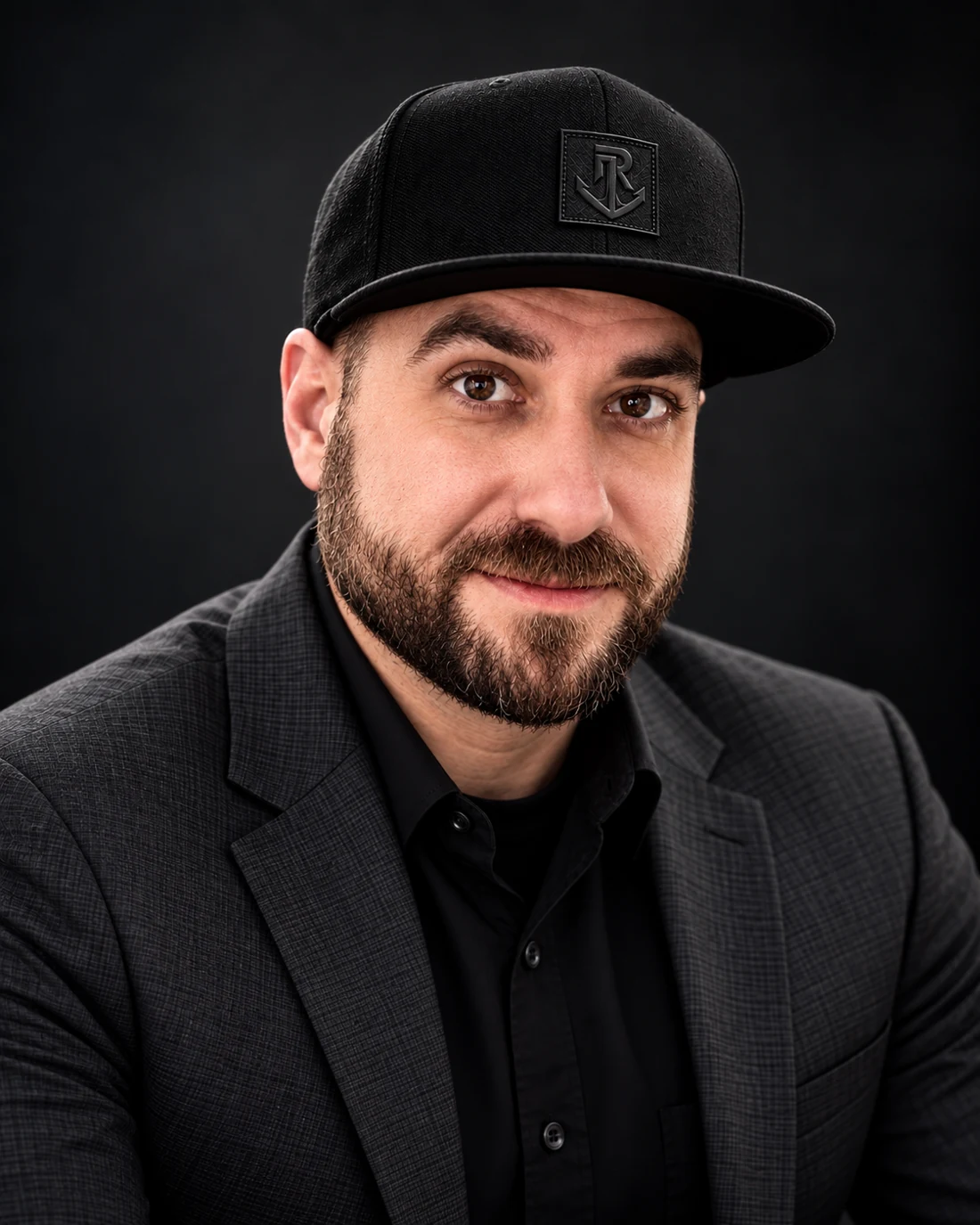
Chad White of Red Anchor Safety

About Red Anchor Safety

Chad White

President

Chad White brings roughly 18 years of safety experience across construction, general industry, and mining. That experience shapes a practical approach to the gap between a written requirement and the job happening in front of someone.

Chad holds a degree in occupational health and safety and is an OSHA-authorized Construction Outreach trainer for 10- and 30-hour courses. He leads Red Anchor Safety with a focus on connecting safety requirements with the work people do every day.

We respect the knowledge already in your workforce. Our job is to build on it, ask useful questions, and help make the next step clearer.

Red Anchor Safety LLC

Contact Red Anchor Safety

What can we
help you with?

Tell us what’s happening in your workplace and where you could use support. We’ll talk through the options, confirm the scope, and explain the cost before work begins.

chad.white@redanchorsafety.com602-291-1934Instagram · @redanchorsafety

Tell us what you need

This opens your email app with your inquiry. Review it and send it to us. No information is submitted through this page.